Becoming an expert in any field takes years of hard work and practice. Whether it's learning a new language, understanding quantum physics, or mastering negotiation, the path to expertise can be long. But what if we could accelerate this process? That’s what fine-tuning can do for large language models (LLMs) — a technique that enables AI systems to achieve super-smart levels of proficiency in specific tasks.
In this post, we delve into the intricacies of fine-tuning Cohere Command R, now available on the Cohere platform and Amazon SageMaker. We explore its cost and performance benefits, look at how it improves retrieval-augmented generation (RAG) solutions, and highlight industries where fine-tuning delivers outsized value.
How Fine-Tuning Works
Fine-tuning involves taking a foundational model, which already has a broad understanding of language, and further training it on smaller, task-specific, labeled datasets. The process sharpens the model's performance in particular areas, ensuring that it can handle specialized queries and tasks with greater accuracy and efficiency.
Trained for enterprise-grade workloads, Command R can be customized even further by tweaking up to five hyperparameters, thus modifying the key settings that control how the model is trained. For example, customers can change the learning rate, batch size, or number of training cycles to better fit their needs. For a complete guide on how to fine-tune, read our Developer’s Guide to Fine-Tuning.
When to Fine-Tune
The decision to fine-tune a model hinges on a cost-performance analysis. Optimizing Command R performance can be up to 15x more affordable than other industry-leading models.
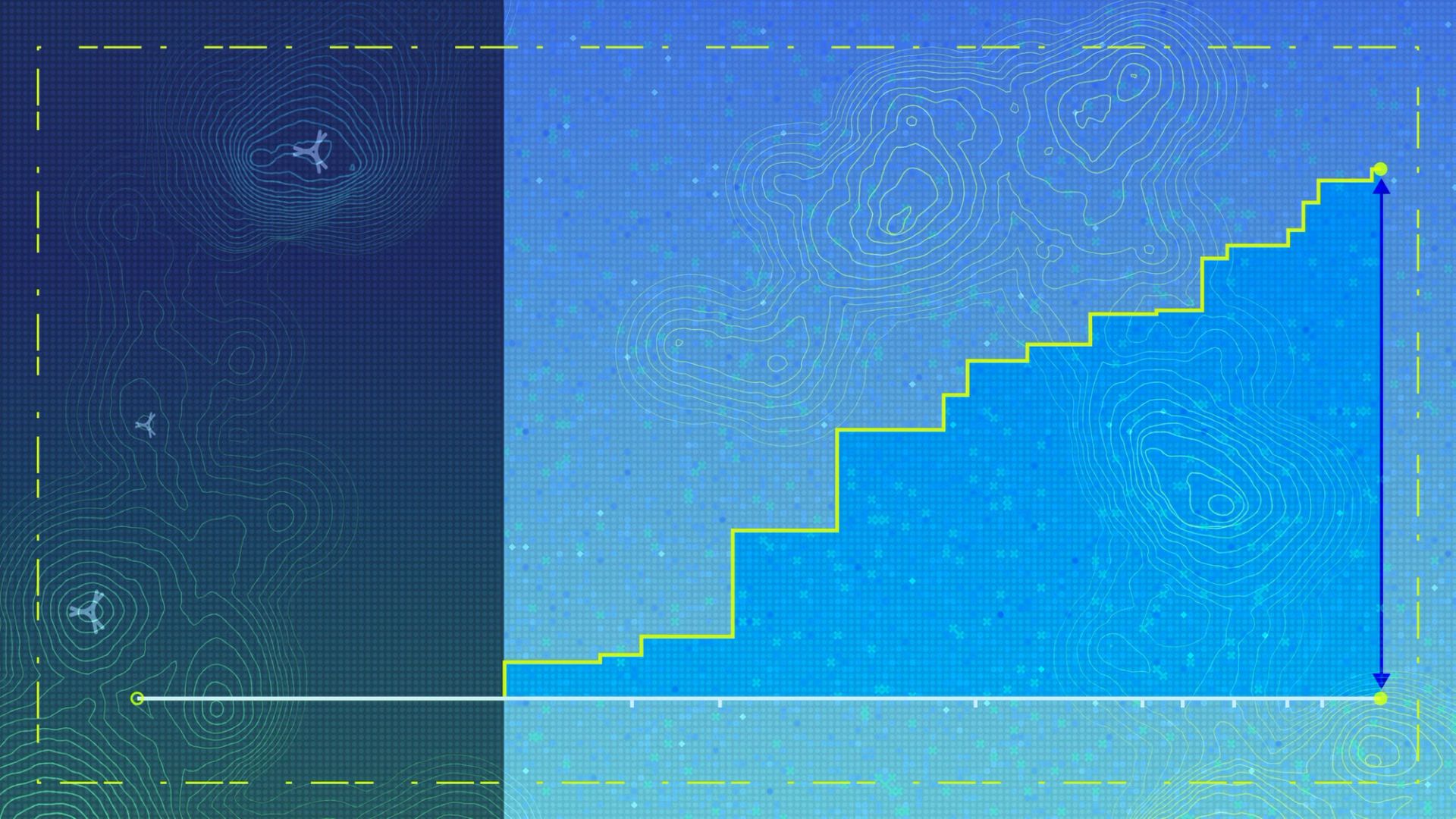
Many enterprise use cases quickly move past the general versatility of applications to requiring high accuracy for specific tasks. For example, a legal document analysis tool benefits immensely from using a model that’s been fine-tuned on legal texts. On average, a fine-tuned model demonstrates a 20% performance improvement when compared to the baseline model.
According to Erik Bergenholtz, VP of AI Strategy and Operations at Oracle, “Cohere’s fine-tuned models even outperform out-of-the-box versions of much larger and more expensive models.”
Why pay more when you can get optimized performance at a fraction of the cost, with faster response times and improved accuracy in targeted domains? Depending on the desired performance level, it can take as little as a few hours to just a couple of weeks to train a model. And Cohere's team is available to support customers as needed. Feel free to reach out to us to get you started.
Fine-Tuning for RAG Applications
RAG systems help enterprises build applications that integrate specific, up-to-date knowledge from large datasets, reduce hallucinations, and provide transparency with citations.
Fine-tuning an LLM before using it in RAG applications offers several benefits. While RAG alone can provide relevant information to the LLM, and even perform tasks for end users, fine-tuning the model before using it in a RAG setup can significantly enhance its understanding, reasoning abilities, and the quality of its generated responses within the specific application domain.
Industries Where Fine-Tuning Excels
Fine-tuning finds its greatest value in industries where specialized knowledge and precision are paramount.
Legal
Fine-tuned models can parse legal documents, contracts, and case law with high accuracy, aiding lawyers and paralegals.
Finance
In financial analysis, fine-tuned models can dissect, summarize, and generate market reports, predict trends, and provide insights based on historical data.
Retail
Fine-tuning an LLM on a dataset of existing product catalogs and service logs can help retailers generate more accurate, relevant descriptions for customer queries through AI agents or virtual assistants.
By leveraging the power of fine-tuning, businesses can unlock the full potential of large language models, transforming them into specialized solutions tailored to the unique needs of the business.